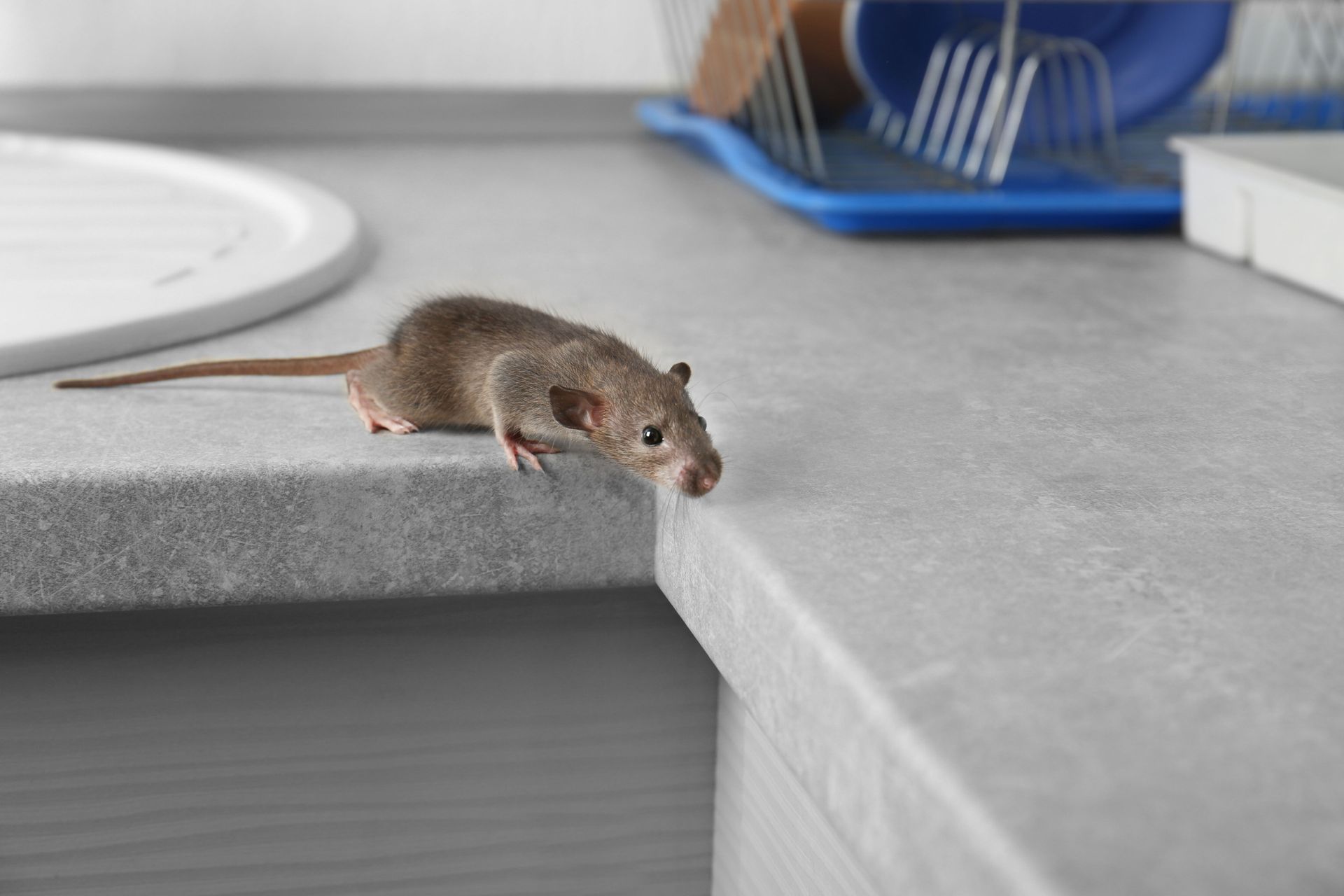
No homeowner wants to share their living space with unwanted guests. Whether it's ants marching across the kitchen counter, mice nesting in the attic, or termites quietly undermining your home’s structural integrity, a pest problem can quickly transform your sanctuary into a stressful environment.
While taking action after noticing an issue is natural, relying solely on reactive measures often leaves you one step behind. The key to maintaining a safe, comfortable, and healthy home is proactive prevention. By taking strategic steps to secure your property before bugs and rodents find a way inside, you can enjoy peace of mind. Here are a few actionable pest control strategies to prevent infestations and keep your home protected year-round.
1. Seal Entry Points and Cracks
Pests are master opportunists. A young mouse can squeeze through a hole as small as a dime, while insects like ants, spiders, and cockroaches require nothing more than a hairline crack to gain entry. To block these tiny invaders, your first order of business should be a thorough inspection of your home’s exterior.
Walk around the perimeter of your house and pay close attention to areas where different building materials meet, such as where siding meets the foundation. Inspect windows, doors, utility line entrances, outdoor spigots, and dryer vents. If you discover gaps, cracks, or holes, seal them immediately using appropriate materials. Caulk is ideal for small gaps around window frames, door trim, and baseboards, whereas expanding foam works best for filling larger openings around outdoor pipes. Steel wool is perfect for plugging gaps around plumbing under sinks or exterior entry points because rodents cannot easily chew through it. Finally, installing or replacing worn weatherstripping along door thresholds and windows will eliminate daylight gaps that insects love to exploit.
By systematically sealing these structural vulnerabilities, you significantly reduce the likelihood of needing emergency pest control services down the road.
2. Eliminate Standing Water and Moisture Issues
Pests need three primary things to survive: food, shelter, and water. While many homeowners focus heavily on cleaning up food crumbs, moisture issues are equally enticing to unwanted critters. Mosquitoes, termites, silverfish, cockroaches, and drain flies thrive in damp environments. In fact, standing water serves as a primary breeding ground for mosquitoes, while decaying, moist wood is a magnet for subterranean termites and carpenter ants.
Managing moisture effectively around your property requires consistent home care habits. You should fix plumbing leaks promptly, as dripping faucets, leaking pipes under the sink, or sweating air conditioning units create ideal hydration spots for insects and rodents.
3. Practice Proper Food Storage and Kitchen Sanitation
Your kitchen is often ground zero for pest activity. Crumbs, spilled juices, unsealed cereal boxes, and overflowing trash cans act as an open invitation to ants, flies, cockroaches, and mice. Practicing rigorous kitchen hygiene deprives pests of the nourishment they need to build colonies inside your walls.
Establishing a daily kitchen cleaning routine goes a long way toward pest control. Always transfer dry goods like flour, sugar, cereal, rice, and pet food out of flimsy cardboard boxes or plastic bags and store them in hard plastic or glass containers with locking lids. Make a point to clean countertops, stoves, and dining tables after every meal to remove grease, sticky residue, and stray crumbs.
Sweeping and vacuuming regularly is also essential, paying special attention to floors under appliances, beneath the toaster, and around pet feeding stations where food quietly accumulates. Lastly, manage your waste efficiently by using garbage cans with tight-fitting lids, emptying internal trash daily, and rinsing out food containers before placing them in recycling bins.
4. Maintain a Clean Perimeter Around Your Foundation
The immediate zone surrounding your home’s foundation plays a massive role in whether pests make their way inside. Overgrown vegetation, dense bushes touching siding, and thick layers of organic wood mulch provide cover, moisture, and bridge-like access for climbing insects and rodents.
To create a protective buffer zone around your home, manage your landscaping thoughtfully. Keep tree branches and decorative bushes trimmed back at least two to three feet from your siding, roofline, and windows to block natural highways for squirrels, raccoons, and ants. Make sure to regularly clear away fallen leaves, organic matter, and decaying wood stacks from the edge of your house.
Rethinking your choice of groundcover is equally important, as wood mulch retains moisture and breaks down into rich organic matter that attracts bugs. Consider replacing wood mulch near your home with inorganic materials, as according to This Old House, a one- to two-foot gravel or stone barrier around your foundation can be a great pest repellent.
5. Store Firewood and Yard Waste Away from the House
A cozy fireplace is wonderful in the colder months, but firewood piles are a primary haven for pests. Stacks of logs offer darkness, moisture, and shelter for spiders, beetles, mice, and carpenter ants, as well as a direct food source for termites. If you store firewood flush against your house or garage wall, you are providing these organisms with an easy transition straight into your living quarters.
Adhering to proper storage guidelines keeps these pests out of your yard waste and away from your walls. We've found that it's wise to store firewood at least 20 feet away from your home, shed, or garage. Furthermore, elevate log piles off the bare ground using rails, pallets, or a designated rack to reduce moisture buildup and deter burrowing insects.
When winter arrives, inspect logs carefully before bringing them inside and only bring in what you intend to burn immediately, avoiding storing firewood indoors overnight as warming logs encourage hidden insects to wake up and crawl out. Finally, promptly dispose of yard clippings, dead branches, and pulled weeds rather than leaving them in heaps around your property.
6. Inspect Items Before Bringing Them Indoors
Not all pests crawl through foundation cracks; some receive a free ride directly through your front door. Bedbugs, hitchhiking insects, and pantry pests frequently enter homes hidden inside secondhand furniture, cardboard delivery boxes, grocery bags, or luggage returning from a trip.
Developing a habit of careful inspection can prevent a sudden, unexpected infestation. Always check secondhand goods like vintage furniture, clothes, mattresses, and rug purchases before bringing them inside, looking closely at seams, cushions, and crevices for signs of insects or eggs. Unpack shipping boxes outside or in the garage whenever possible, because corrugated cardboard provides ideal hiding spots and adhesive food sources for cockroaches, and recycle the boxes immediately.
After returning from trips, inspect your suitcases for bedbugs, vacuum luggage thoroughly, and wash travel clothes in hot water right away. Finally, inspect garden-fresh produce or store-bought fruit for fruit flies or hidden larvae before placing them in your pantry.
7. Partner With Professional Pest Control Experts
While DIY habits form the backbone of sound home maintenance, some situations require specialized knowledge, equipment, and training. Professional pest control technicians can identify subtle signs of infestation that the untrained eye might miss, such as early termite mud tubes, hidden rodent nests, or subtle entry points on high rooflines.
Establishing a routine maintenance schedule with a certified professional offers several unique advantages for long-term home protection. Targeted inspections allow experts to spot vulnerabilities and early signs of pest activity long before widespread damage occurs. Professional pest control technicians can then provide customized treatment plans that address the specific pest threats common to your geographic region and season.
Furthermore, trained professionals ensure the safe application of eco-friendly and targeted treatments around your family and pets. Most importantly, regular seasonal checkups maintain active protective perimeter barriers around your property year-round.
Preventing pest infestations is significantly easier, safer, and more cost-effective than dealing with an active invasion. By taking a proactive approach with the pest control experts at Rapid Response Pest Solutions, you create an unwelcoming environment for unwanted critters. Reach out to us today to get started.