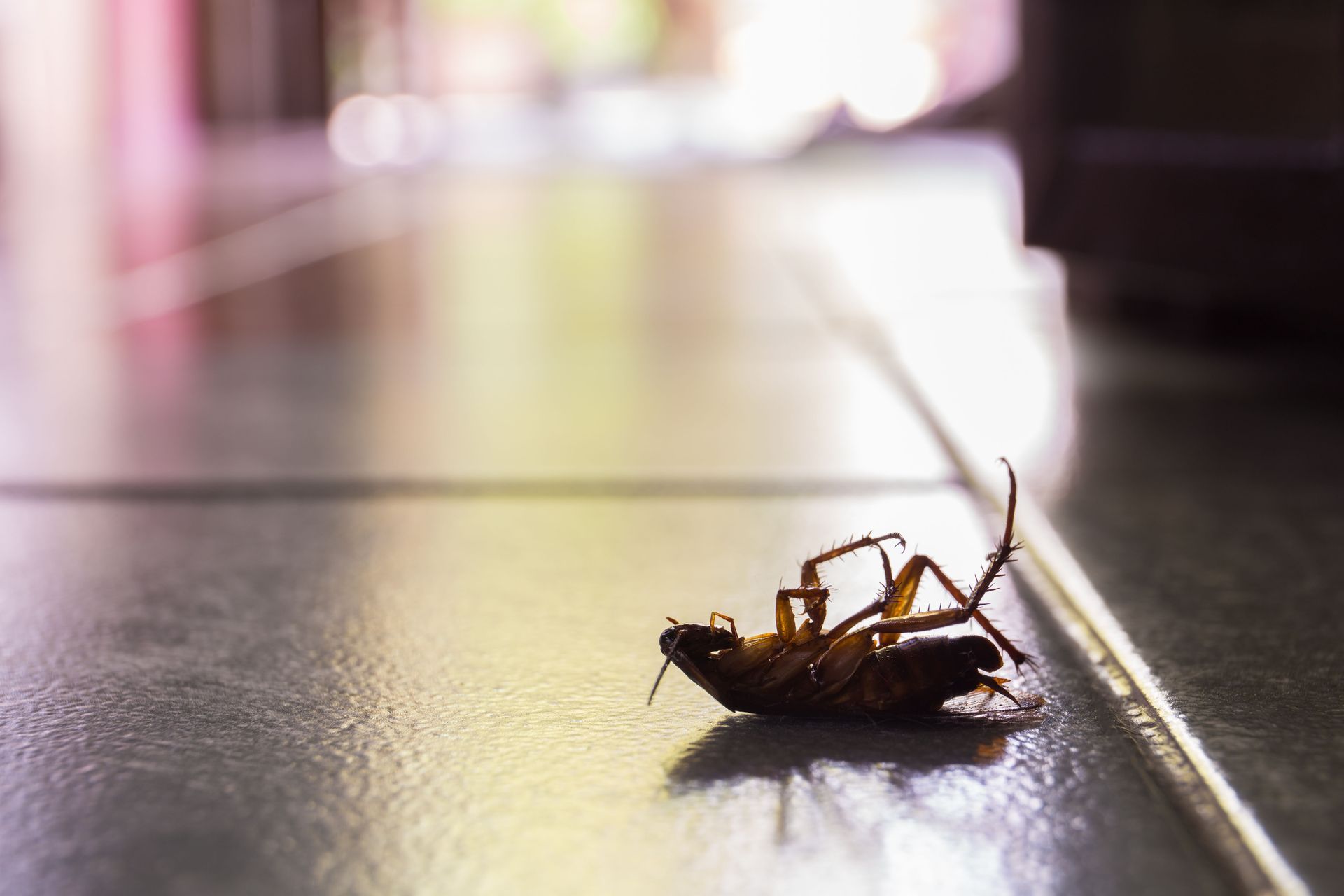
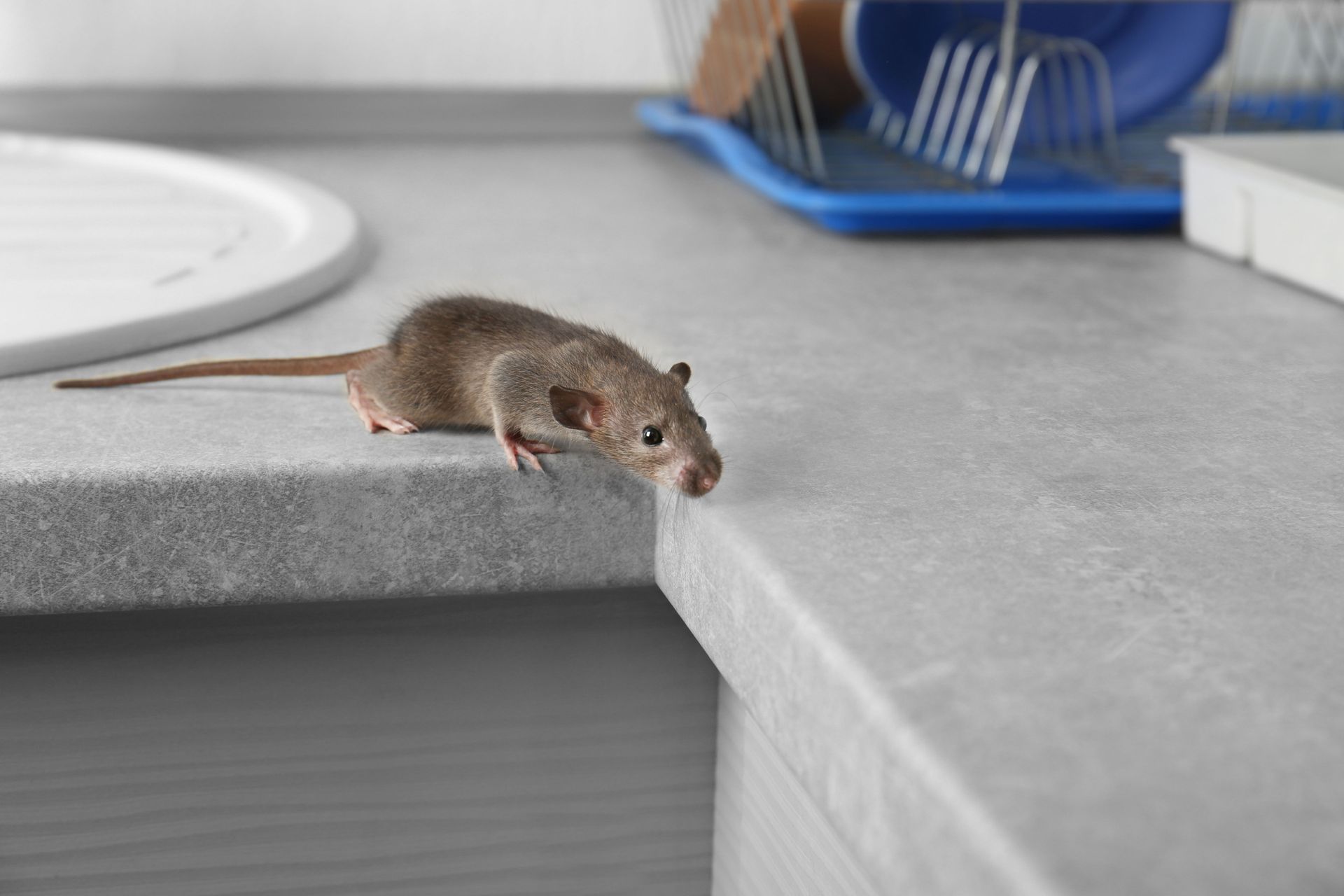
Pests are a pervasive problem in many households, often causing distress and potential health risks. Effective management and prevention of pest infestations hinge on knowing where these unwanted guests most commonly hide. Understanding these hiding places can aid homeowners in consistent monitoring and maintenance to ensure a pest-free living environment. These places range from the most apparent areas in the kitchen to often overlooked spots like the attic and basement. By proactively managing these hideouts, homeowners can significantly curb the chances of pest problems that need to be addressed by a pest control service.
1. Kitchen Cabinets and Shelves
The kitchen is often the vibrant hub of any home but can quickly become a hotspot for pests. Food residue and spills in cabinets and on shelves are attractive to pests such as ants and cockroaches. Even minor remnants can act as a beacon for these pests, leading to serious infestations if not cleaned regularly. The residual aromas and moisture from uncleaned surfaces can amass over time, making your kitchen a prime target. Regular cleaning and maintenance of these areas are essential in disrupting the pest attraction cycle.
In many homes, kitchen cabinets are dark and have tiny cracks that provide the perfect environment for pests to hide and thrive. These areas offer shelter and safety from human activity and daylight. Cockroaches, for instance, prefer these dark, cozy spots during the day and venture out at night. By sealing cracks and using pest-proof materials, homeowners can significantly reduce the likelihood of pests taking refuge in these spaces. Thus, maintaining structural integrity is crucial in preventing pest settlements that need to be addressed by a pest control service.
Moreover, warmth from kitchen appliances, such as ovens and refrigerators, creates an inviting climate for pests, especially during colder months. These warm conditions can accelerate pest breeding cycles, worsening infestations. Homeowners often unintentionally worsen the situation by cluttering cabinets, providing even more hiding spots. Organizing cabinets can mitigate this issue, making them less hospitable to pests. Unsealed food containers are another common culprit, as they allow pests easy access to food sources, further exacerbating infestations.
2. Bathroom Crevices and Corners
Bathrooms, with their high moisture content, attract an array of pests, including silverfish and mold. These pests thrive in moist environments like crevices and corners in bathrooms that are often overlooked during cleaning. Moisture can collect in these areas due to poor drainage or the natural damp conditions of bathrooms. This creates ideal conditions for pests to survive and multiply. Regular cleaning and proper ventilation can alleviate moisture buildup and dissuade pest infestation.
Ineffective ventilation exacerbates pest issues in bathrooms by permitting moisture to linger, creating a humid ecosystem perfect for pests. Exhaust fans or dehumidifiers can be instrumental in dealing with this problem. By enhancing ventilation, you can promote quicker drying of wet surfaces, limiting the time pests have to settle. Pipes can also be a significant pest attraction if there are leaks. These leaks provide an easy water source, making the area more enticing to pests.
Leaky pipes need immediate attention, as they not only lead to increased moisture but also serve as possible entry points for pests. Silverfish and cockroaches can capitalize on these openings, resulting in infestations that extend beyond the bathroom. Regular inspections of tiles and grout can also prevent such situations as gaps in these structures can trap moisture, providing breeding grounds for pests. Proper disposal of organic waste is equally important to impede pest growth.
3. Basement Nooks and Crannies
Basements are known for their dampness and limited sunlight, making them ideal havens for pests like centipedes, rodents, and mold. The damp conditions prevalent in most basements offer a consistent water source that supports the survival of various pests. Untreated, these basements become major breeding grounds and can spread infestations to other parts of the home. Regular check-ups and installing dehumidifiers can significantly reduce moisture, thereby cutting down on pest infestations that may need to be eliminated by a pest control service.
Storing items such as cardboard boxes in basements can inadvertently invite pests. Cardboard not only serves as a great nest but also as a food source for certain pests. Over time, these materials decay and provide sustenance for critters like silverfish. Replacing cardboard with plastic bins can deter pests and provide a safer, cleaner storage environment. Additionally, ensuring that these storage units are elevated off the floor can minimize direct contact with potential pests.
4. Attics and Crawl Spaces
Attics and crawl spaces often accommodate seasonal storage items that are seldom used, offering non-disturbed areas for pests. Items like clothing and decorations that are used once a year can be hotbeds for cockroaches, spiders, and rodents if left unchecked. Just as in other parts of the house, regular cleaning and organization can prevent such infestations. Store such items in sealed containers to avoid pest access and potential damage.
Pests use attic and crawlspace insulation as a nesting area, further securing their foothold. Rodents, in particular, are adept at using the fluffy material to build nests. Regular inspections and replacing damaged insulation materials can mitigate this issue. Air vents and ducts in these areas serve as additional access points for pests. Screening these openings with fine mesh can help in preventing unwelcome intrusions.
Nesting material such as paper and fabric can easily accumulate in these underused spaces, attracting pests looking for shelter and food sources. Regularly clearing out these materials is crucial in denying pests the resources they need. Limited human activity makes attics and crawl spaces attractive to pests; thus, regular inspections can help identify early signs of infestation. Such diligence in monitoring can prevent minor pest issues from ballooning into more significant concerns that need to be addressed by a pest control service.
5. Outdoor Structures and Sheds
Firewood and lumber, often stored close to homes, can attract numerous pests, including termites and ants. According to This Old House, storing firewood at least 20 feet away from your home can significantly reduce pest habitation. By adhering to this guideline, homeowners can keep these essential resources nearby while limiting the chances of pest invasions. Organizing these materials properly can also prevent moisture accumulation, creating a less favorable environment for pests.
Garden waste accrued around sheds and outbuildings can lure pests seeking food and shelter. This waste not only becomes a breeding ground but also a food source, attracting pests like rodents and insects. Regularly disposing of garden waste can help eliminate such threats and maintain a neater outdoor space. Deck gaps and cracks also pose threats, as these often serve as perfect places for bug colonies. Sealing these entry points can make decks less accommodating to pests, protecting the structures and family members spending time outdoors.
6. Furniture and Upholstery
Fabric couches and cushions in living areas can become habitats for pests like bed bugs and dust mites. These pests thrive in the warm, cozy settings that fabric provides. Regular vacuuming and routine inspection of furniture can keep these nuisances at bay. Using furniture covers or washing removable ones frequently can also help maintain cleanliness without pests. Investing in pest-resistant materials for furniture is another beneficial strategy for homeowners concerned about infestations.
Bed frames and mattresses can become common hiding spots for notoriously hard-to-eliminate bed bugs. These pests can live within crevices of wooden or metal frames and inside mattresses, feeding on unsuspecting hosts at night. Regular turnover and inspection of these items can help catch the early stages of any infestation and allow for prompt treatment, reducing larger outbreaks.
The battle against pests begins at home by acknowledging their common hiding places and addressing them proactively. Each section of the home offers peculiar challenges that can be managed with regular inspection, cleaning, and preventive measures. From kitchens and bathrooms to attics, outdoor structures, and furniture, understanding these areas is a step towards maintaining a healthy and pest-free environment. To learn more from a pest control service professional, reach out to Rapid Response Pest Solutions today.